


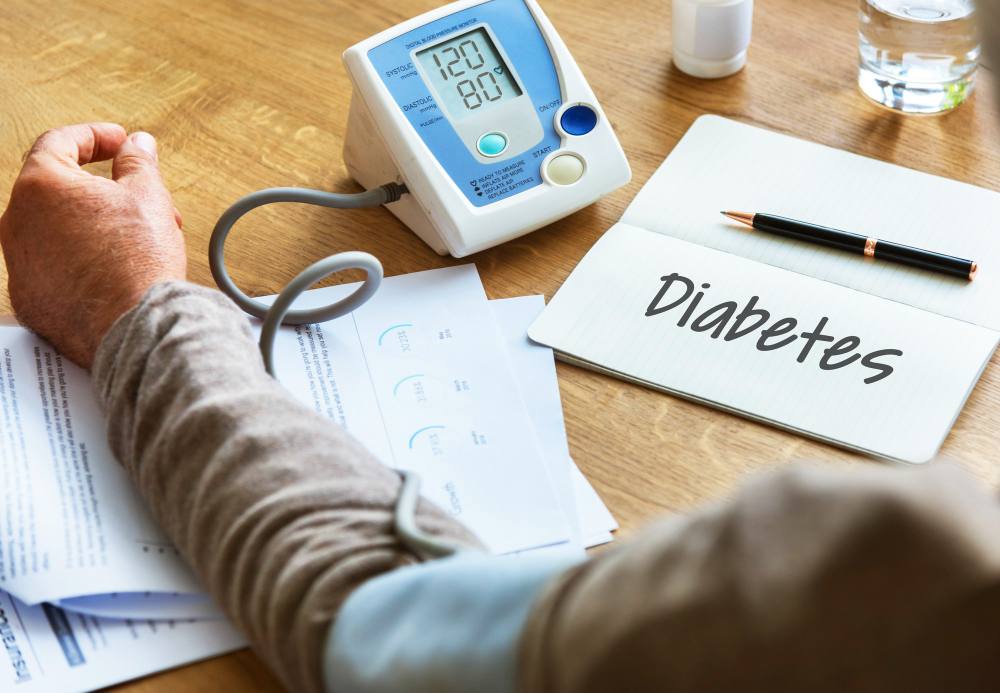
What is Diabetic Nephropathy?
Diabetic nephropathy is a type of kidney disease caused by diabetes. Over time, high blood sugar can damage the tiny filters in your kidneys. As a result, your kidneys may not work as well. This condition is a common complication of diabetes, especially in the United States. Early detection is important. Two key tests, microalbumin and eGFR, help spot kidney problems before they get worse.
Why Microalbumin Matters: Early Detection
Microalbumin is a small amount of protein found in urine. Normally, healthy kidneys keep protein in your blood. However, when kidneys are damaged, protein can leak into your urine. This is called microalbuminuria. Early detection of microalbumin helps doctors find kidney damage sooner. If caught early, you can take steps to slow or stop the damage.
Understanding eGFR and Kidney Health
eGFR stands for estimated glomerular filtration rate. It is a simple blood test that shows how well your kidneys are cleaning your blood. A higher eGFR means your kidneys are working well. On the other hand, a lower eGFR can mean kidney damage. Doctors use eGFR to track kidney health over time.
Recognizing Early-Warning Signs
Often, diabetic nephropathy has no symptoms at first. Still, there are some early-warning signs to watch for. If you notice these, talk to your doctor right away. Early action can make a big difference.
However, many people do not notice any signs until the disease is advanced. That is why regular testing is so important.
Diagnosis and Monitoring
Doctors use both urine and blood tests to check for diabetic nephropathy. The microalbumin test looks for protein in your urine. The eGFR test checks how well your kidneys are working. Both tests are simple and quick. In addition, your doctor may check your blood pressure and blood sugar levels. Regular monitoring helps catch problems early and track changes over time.
According to the CDC, early diagnosis and treatment can slow or prevent kidney damage in people with diabetes.
Prevention and Lifestyle Tips
Although diabetic nephropathy is serious, you can take steps to protect your kidneys. Simple lifestyle changes and regular checkups make a big difference. Here are some tips to help prevent kidney damage:
With early action, you can lower your risk of kidney disease and other diabetes complications.
Conclusion
In summary, diabetic nephropathy is a serious yet manageable complication of diabetes. Early detection through Microalbumin and eGFR tests plays a vital role in protecting your kidney health. With regular check-ups, controlled blood sugar, and healthy lifestyle choices, you can prevent or slow down kidney damage effectively.
For accurate testing and expert guidance, consult the specialists at Global Diagnostics & Clinic. Our advanced diagnostic services and personalised approach ensure that your kidney health is closely monitored and well-protected.
Book your diabetic kidney screening today at Global Diagnostics — early care for lifelong kidney health.