


What Is Arthritis Screening?
Arthritis screening is a set of tests and exams that help doctors find signs of arthritis early. This process checks for joint pain, swelling, and other symptoms. Early arthritis detection is important because it can lead to better treatment. When doctors find arthritis early, they can help prevent joint damage. According to the CDC, early care can improve quality of life. So, arthritis screening helps people get the right care before problems get worse.
Who Should Consider Arthritis Screening?
Not everyone needs arthritis screening. However, some people have a higher risk. You should consider screening if you:
For example, if you have these risk factors, talk to your doctor about arthritis screening tests. Early action can make a big difference.
Common Screening Methods
Doctors use several ways to screen for arthritis. Each method helps them understand your symptoms better. Here are the most common arthritis screening tests:
Altogether, these tests help doctors with the arthritis diagnosis process. They can find out what type of arthritis you may have.
How to Prepare for Arthritis Screening
Preparing for arthritis screening is simple. Still, a few steps can help you get ready:
By preparing ahead, you help your doctor get a clear picture of your health. This makes the arthritis screening process smoother.
What to Expect During and After Screening
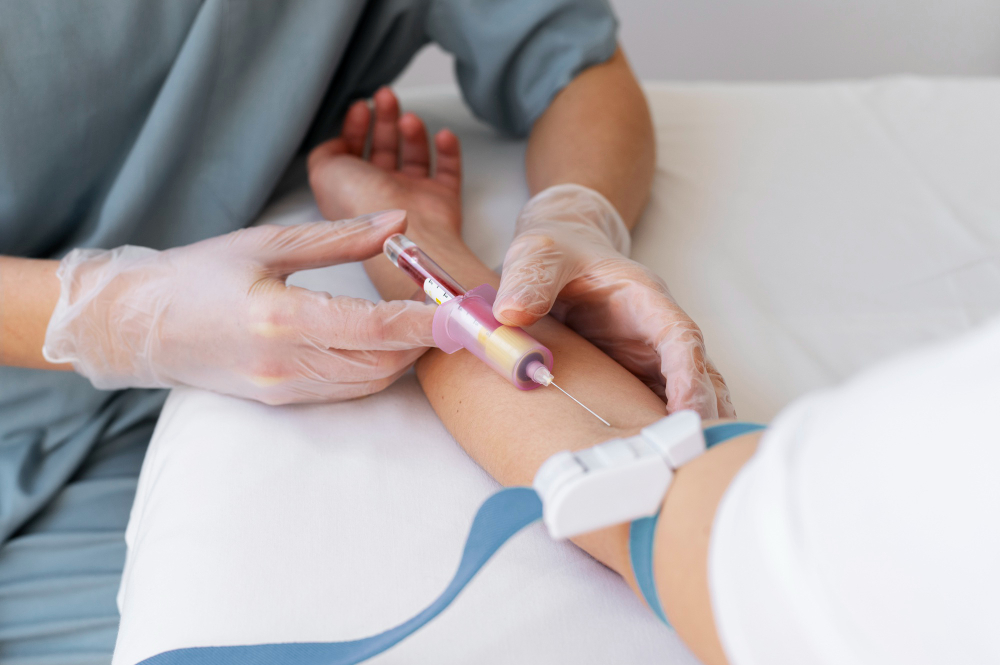
During arthritis screening, your doctor will ask questions about your symptoms. Next, they will check your joints and may order blood or imaging tests. Most tests are quick and cause little discomfort. After screening, your doctor will explain the results. Sometimes, you may need more tests for a clear diagnosis. If arthritis is found, your doctor will discuss treatment options. Even if results are normal, you can ask about ways to keep your joints healthy.
Benefits of Early Detection
Early arthritis detection offers many benefits. For example, it can:
Because early care matters, arthritis screening is a smart step for those at risk.
Prevention and Lifestyle Tips After Screening
Even if you do not have arthritis, healthy habits can protect your joints. After screening, consider these tips:
In addition, avoid smoking and limit alcohol. These steps can help lower your risk of arthritis in the future.
Conclusion
Arthritis screening is a key part of early arthritis detection. It helps find problems before they get worse. If you have joint pain or risk factors, talk to your doctor about arthritis screening tests. Early action can protect your joints and improve your life.
Consult a healthcare specialist at Global Diagnostics & Clinics for personalized arthritis screening advice.