


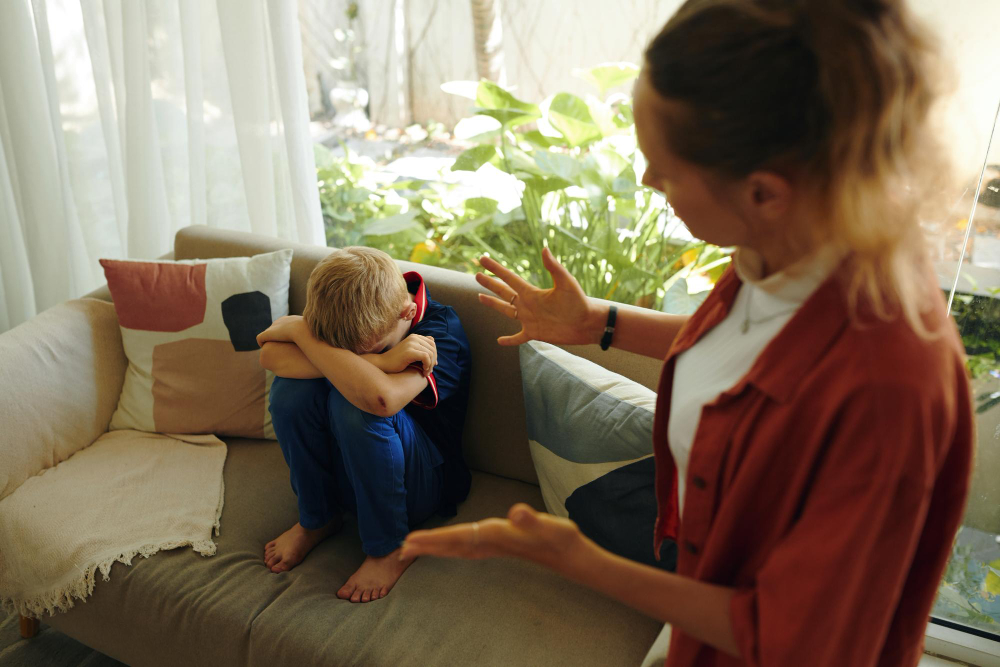
What Are Frequent Emotional Outbursts in Children?
Many children have strong feelings. Sometimes, these feelings come out as crying, yelling, or even hitting. These are called emotional outbursts. For some kids, these outbursts happen often. In fact, frequent emotional outbursts in children can disrupt daily life. While it is normal for children to feel upset, repeated outbursts may point to deeper concerns. For example, a child might have trouble calming down after a small problem. Or, they may react with anger more than other children their age.
Common Causes of Emotional Outbursts
There are many reasons why children may have emotional outbursts. Understanding the cause can help parents respond better. Often, outbursts are a normal part of growing up. However, sometimes other factors play a role. For instance, changes at home or school can be stressful. Additionally, some children have trouble managing their feelings due to:
Furthermore, children with sensory sensitivities may react more strongly to noise or crowds. Each child is unique, so causes can differ.
Recognizing When Outbursts May Signal a Need for Support
Most children have tantrums or meltdowns sometimes. Yet, some signs suggest your child may need extra help. For example, if outbursts happen daily or last a long time, it could be a concern. Also, if your child hurts themselves or others during these times, support may be needed. Watch for these signs:
Importantly, if you wonder when to seek help for child behavior, trust your instincts. Early support can make a big difference in child emotional health.
How Pediatricians Diagnose Emotional and Behavioral Concerns
Pediatricians play a key role in child emotional health. First, they ask about your child’s behavior at home and school. They may use simple checklists or talk with teachers. Sometimes, they look for patterns in your child’s mood or actions. In addition, they check for medical issues that could affect behavior. If needed, your pediatrician may suggest seeing a child psychologist or counselor. This team approach helps find the best support for your child.
Evidence-Based Support Strategies and Treatment Options
There are many ways to help children manage frequent emotional outbursts. Research shows that early support works best. Depending on your child’s needs, options may include:
Moreover, pediatric mental health support often involves working with both the child and family. The goal is to help your child feel safe, understood, and able to manage strong feelings.
Tips for Parents: Supporting Your Child at Home
Parents and caregivers can do a lot to help at home. For example, setting clear routines can reduce stress. Also, using simple words to name feelings helps children learn about emotions. Try these tips for managing tantrums and outbursts:
Additionally, remember that all children need love and patience. If you feel overwhelmed, it is okay to ask for help from a pediatrician or counselor.
Prevention and Promoting Emotional Well-Being
Although it is not always possible to prevent every outburst, you can help your child build strong emotional skills. For instance, regular sleep, healthy meals, and daily play support a child’s mood. Encourage your child to talk about feelings and listen without judgment. Also, teach simple ways to relax, like deep breathing or drawing. Over time, these habits can lower stress and improve child emotional health. If you live in a busy city or a quiet area, support is available. Pediatric mental health support can help your child thrive, no matter where you live.