


What Is Delayed Walking?
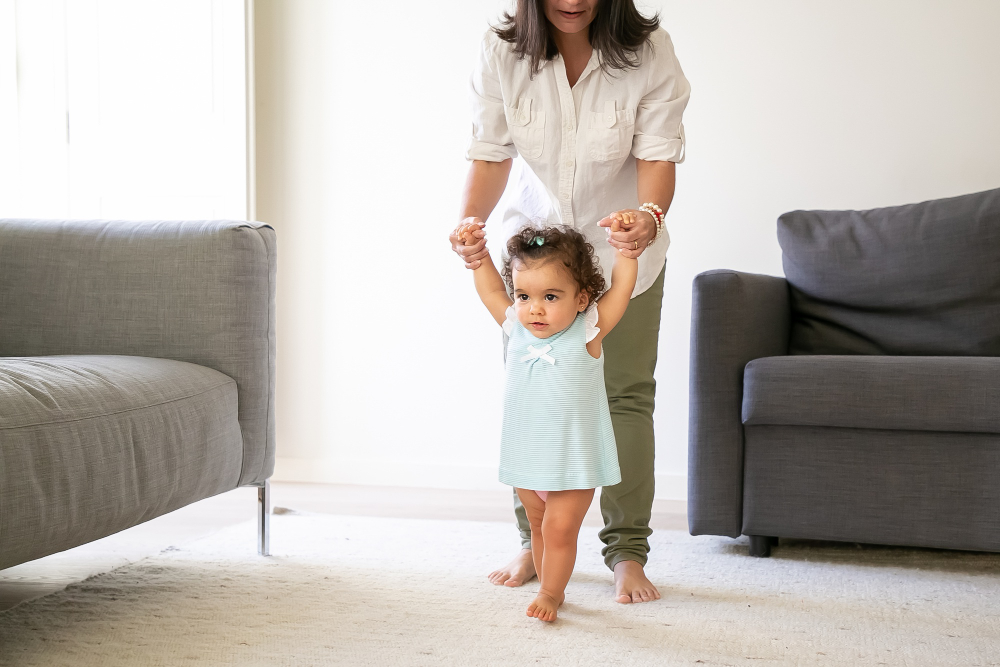
Delayed walking means a child is not walking by the expected age. Most children take their first steps between 12 and 15 months. However, some children may walk later. Delayed walking is when a child has not started walking by 18 months. This can worry parents. Still, many children catch up on their own. Yet, it is important to watch for other signs. Early support, such as physiotherapy for delayed walking, can help if needed.
Common Causes of Delayed Walking
Many factors can lead to delayed walking. Some are simple, while others may need medical care. For example, some children are just late bloomers. Still, others may have underlying issues. According to the CDC and WHO, common causes include:
Because each child is unique, causes can vary. Therefore, it is helpful to talk to a doctor if you have concerns.
Signs and Symptoms to Watch For
Sometimes, delayed walking is the only sign. However, other symptoms may appear. Early signs can help you decide when to see a physiotherapist. Watch for these signs:
If you notice these signs, it is wise to seek advice. Early action can make a difference.
How Delayed Walking Is Diagnosed
Doctors use several steps to diagnose delayed walking. First, they ask about your child’s development. Next, they check for other missed milestones. For example, they may ask when your child sat up or crawled. Then, a physical exam checks muscle strength and movement. Sometimes, doctors order tests, such as blood work or imaging. These tests help rule out medical conditions. In some cases, a referral to a specialist or physiotherapy clinic near you may be needed.
When to Consider Physiotherapy
Physiotherapy for delayed walking is often recommended if:
Because early support can help children reach their walking milestones, it is important to act soon. If you are unsure, ask your doctor about when to see a physiotherapist. Many physiotherapy clinics near you offer assessments for children.
Physiotherapy Approaches for Delayed Walking
Physiotherapists use gentle, fun exercises to help children learn to walk. For instance, they may use play-based therapy to build strength and balance. Some common physiotherapy approaches include:
Because every child is different, therapists create a plan that fits your child’s needs. Regular sessions can help children reach their child walking milestones sooner.
Tips for Supporting Children with Delayed Walking
Parents and caregivers play a key role in helping children. With simple steps, you can support your child’s progress. Try these tips:
Because children learn at their own pace, gentle support goes a long way. If you need help, ask a physiotherapist for advice.
Prevention and Early Intervention
Early action can help prevent long-term delays. For example, regular check-ups help spot concerns early. If your child was born early or has medical needs, extra support may be needed. The CDC and WHO recommend tracking child walking milestones. If you notice delays, early physiotherapy can help. Many physiotherapy clinics near you offer early intervention programs. Because early help leads to better outcomes, do not wait to seek advice if you have concerns.